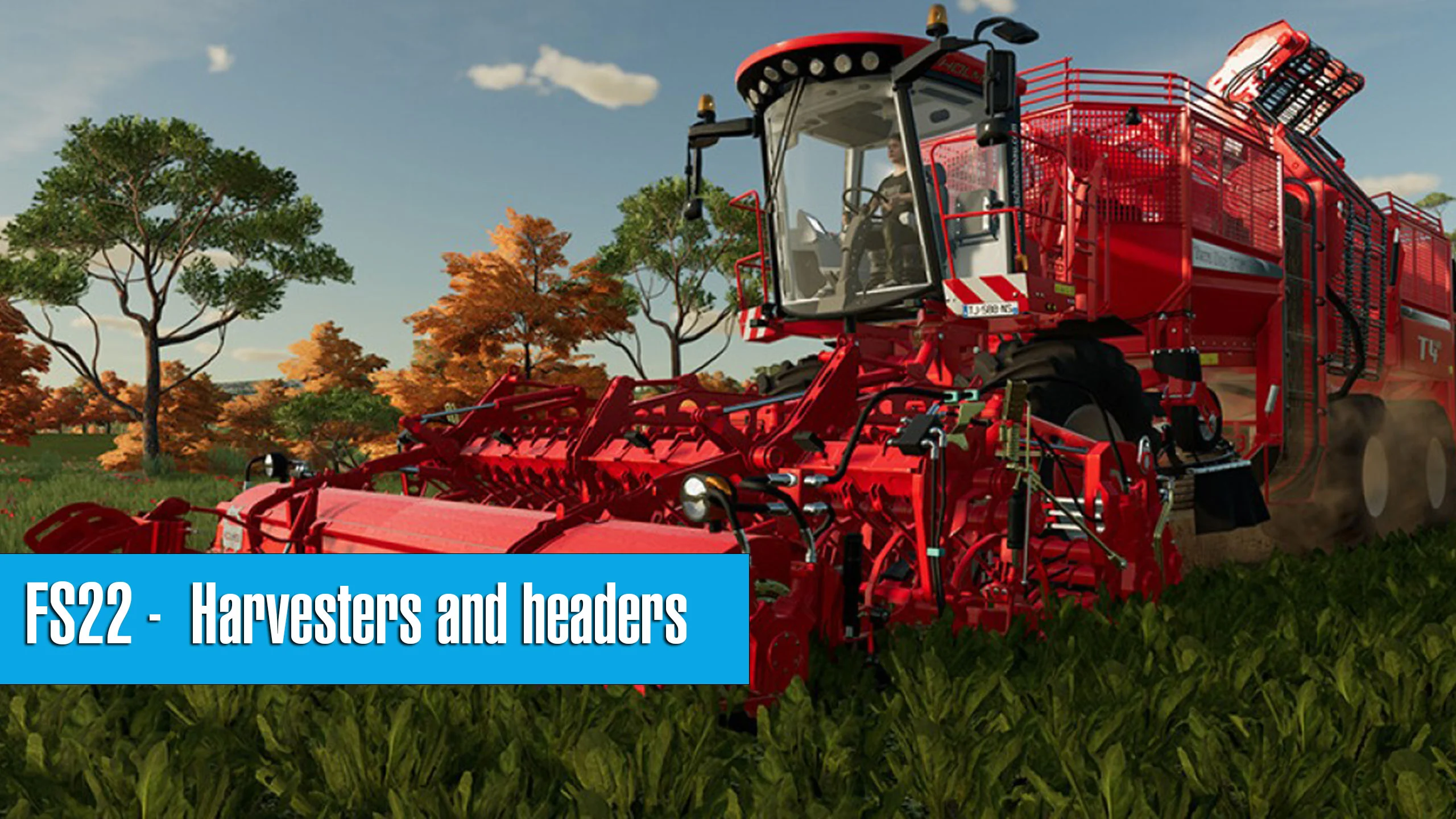
Harvesters and headers in Farming Simulator 22
FS22 Headers Community Mod
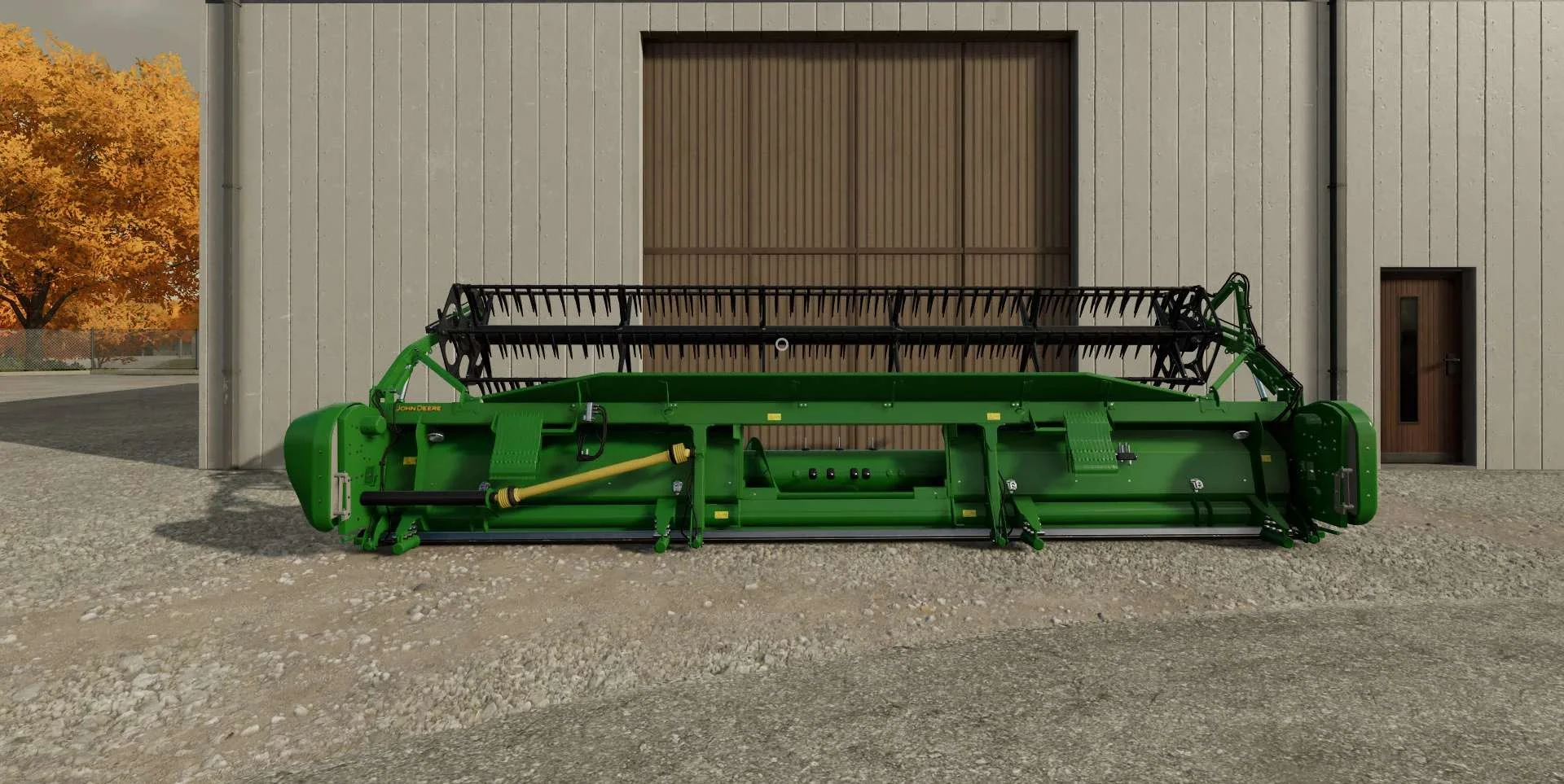
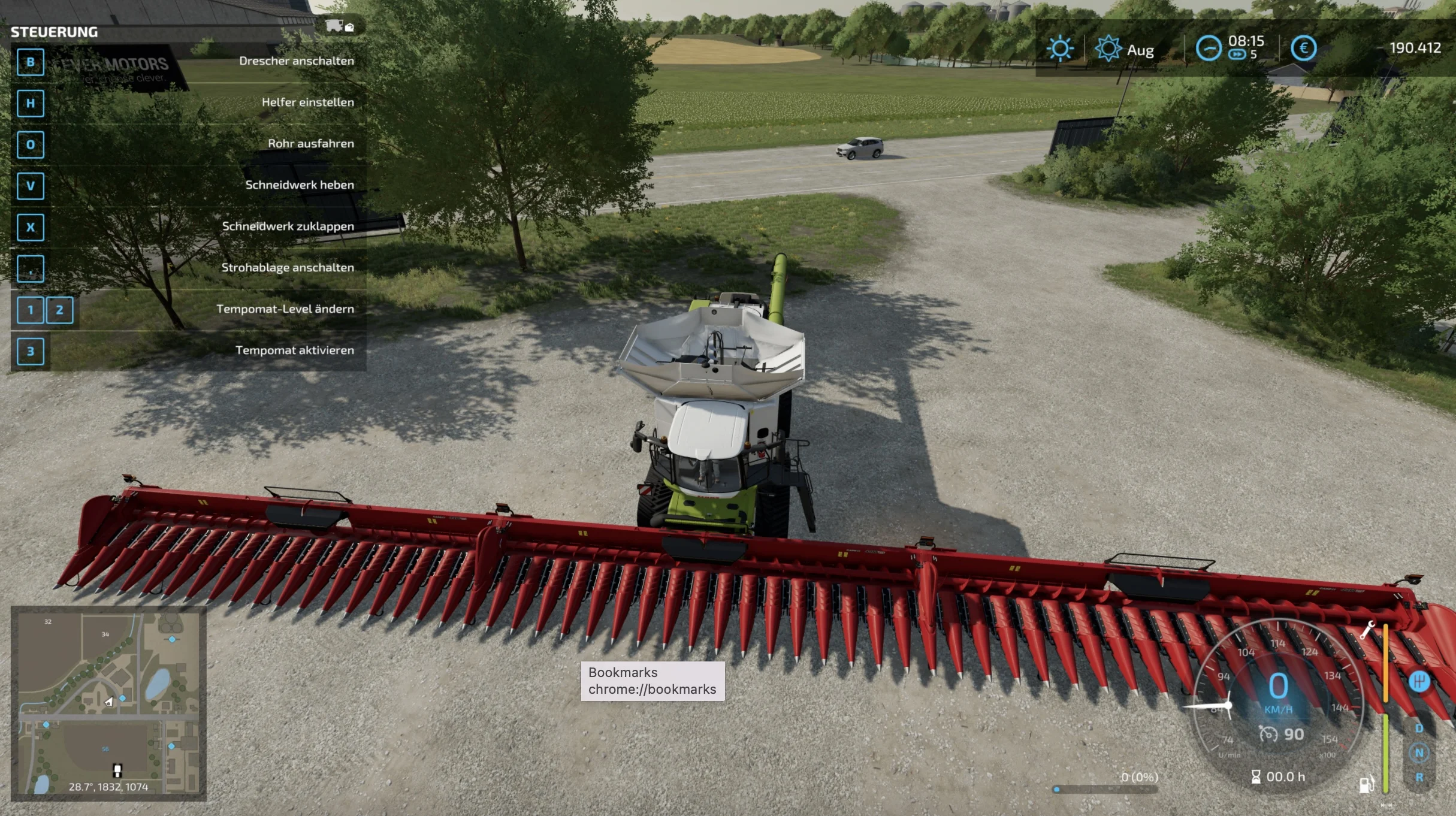
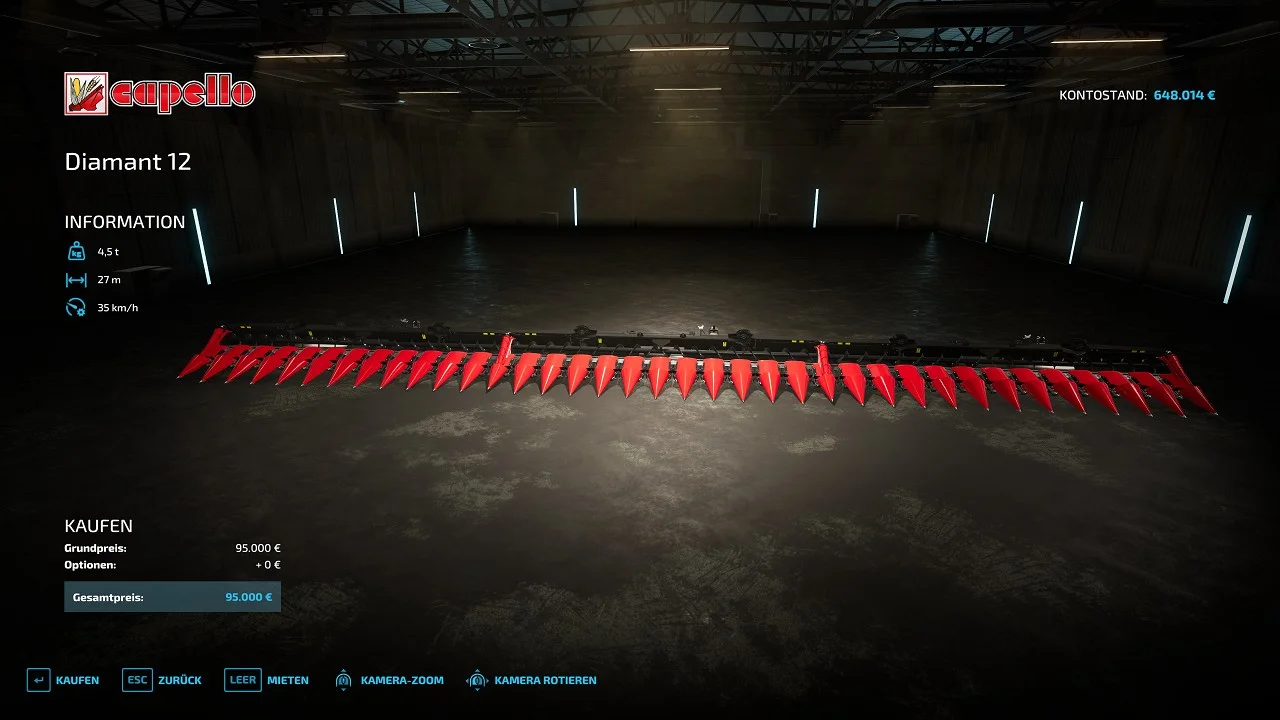
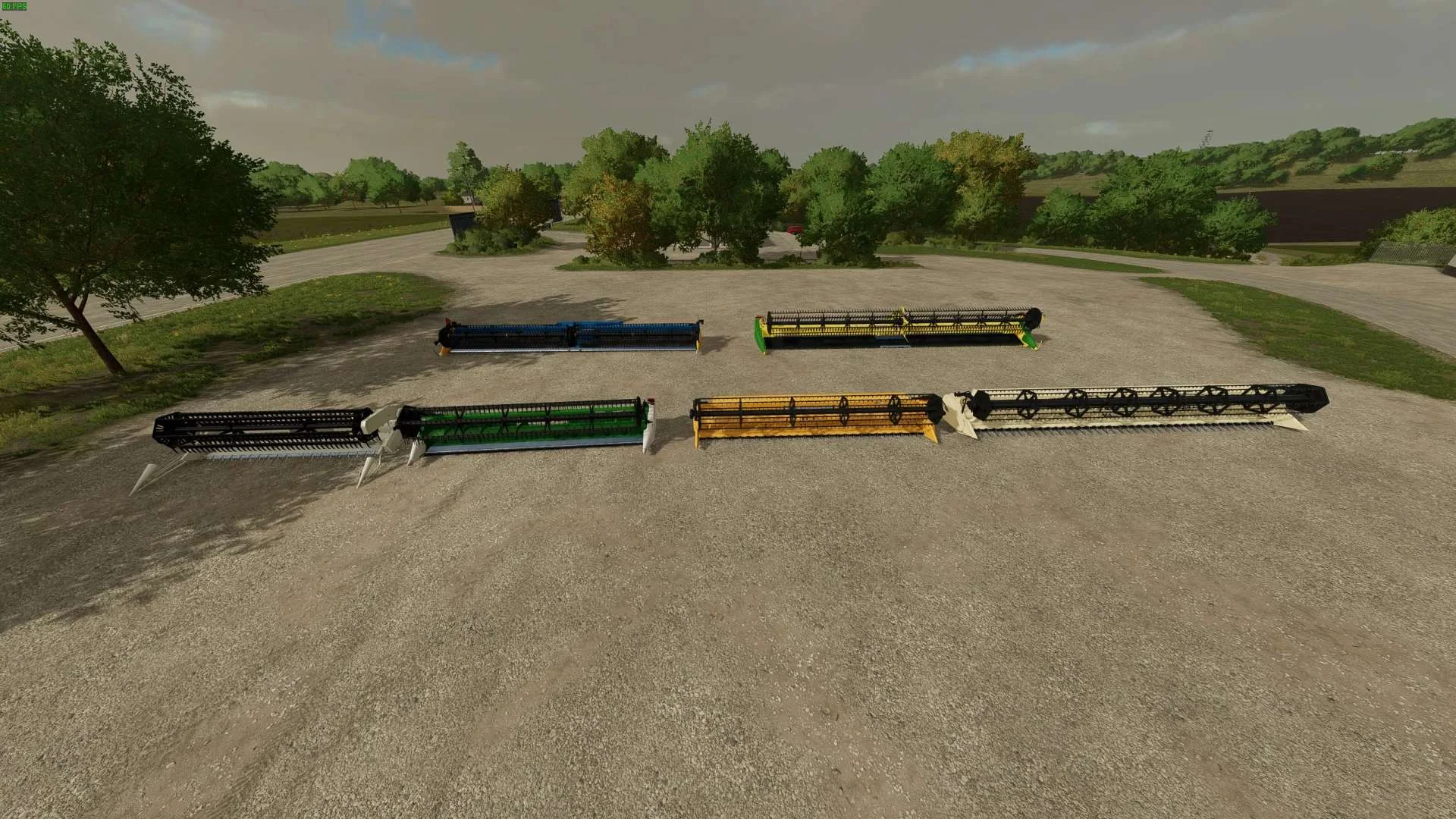
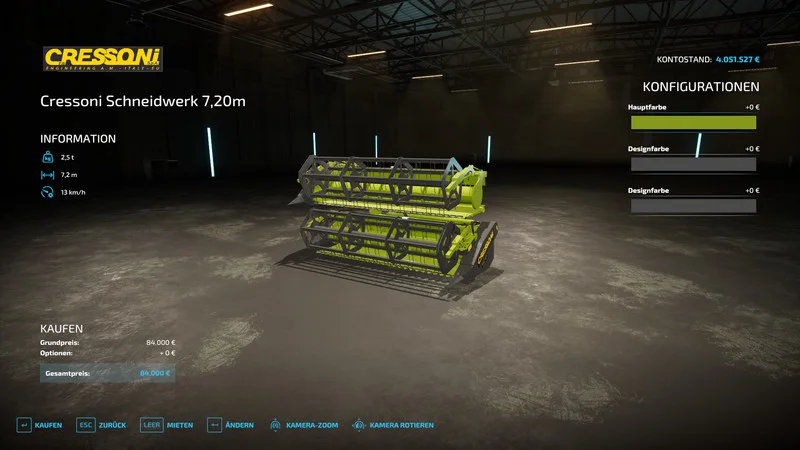
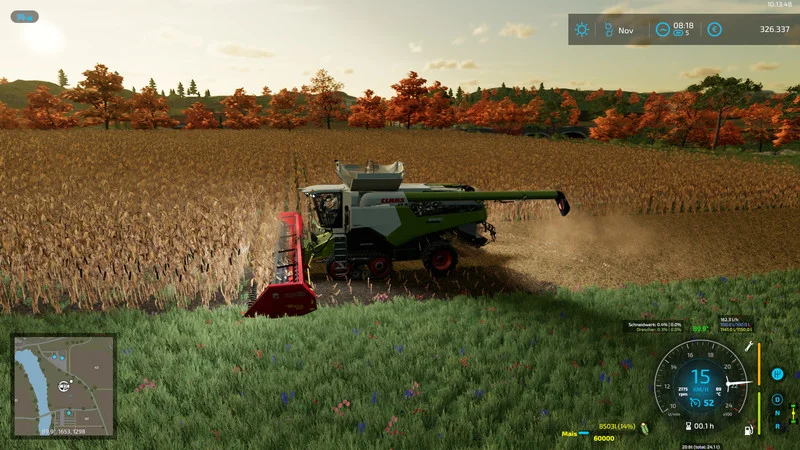
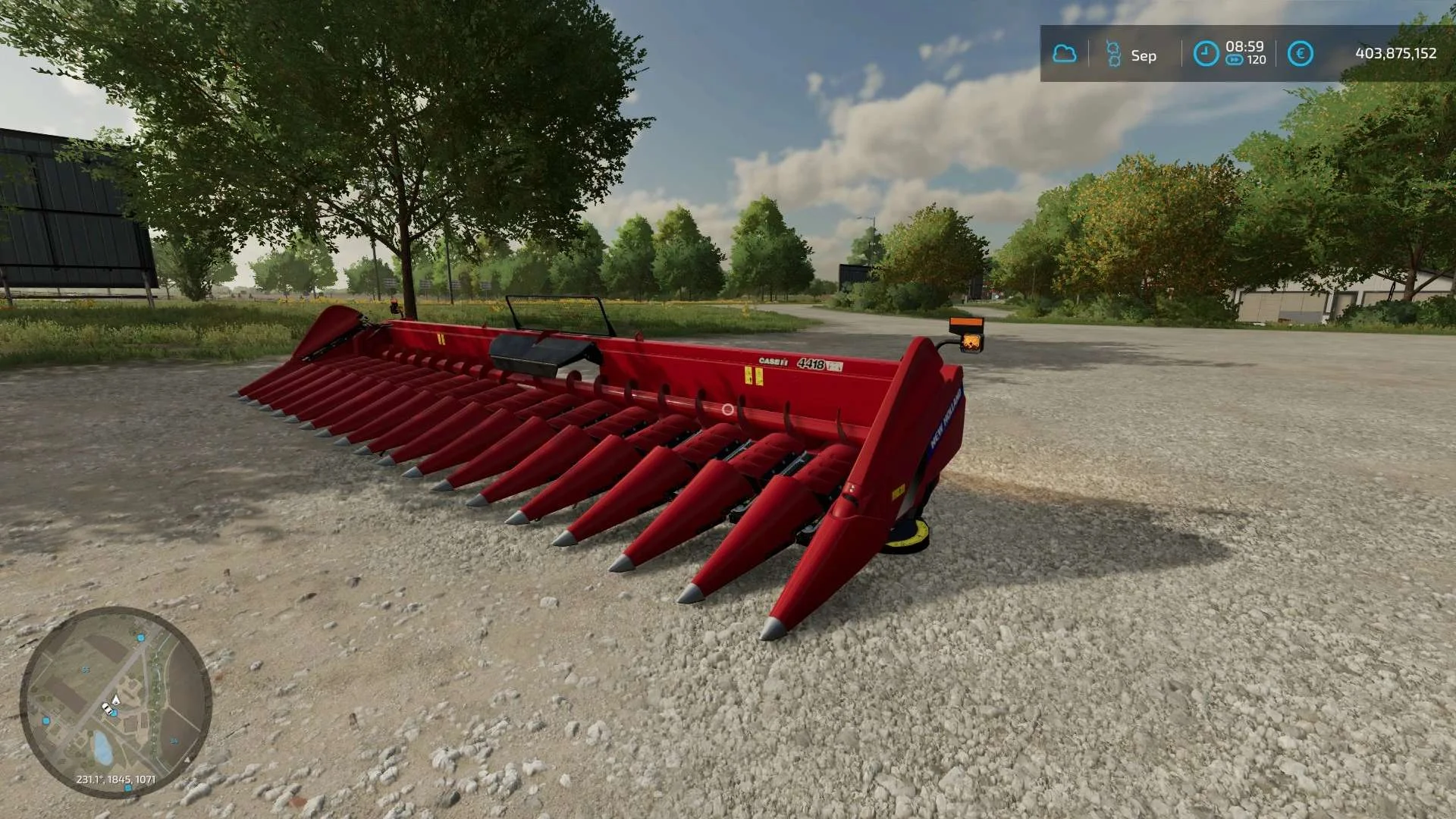
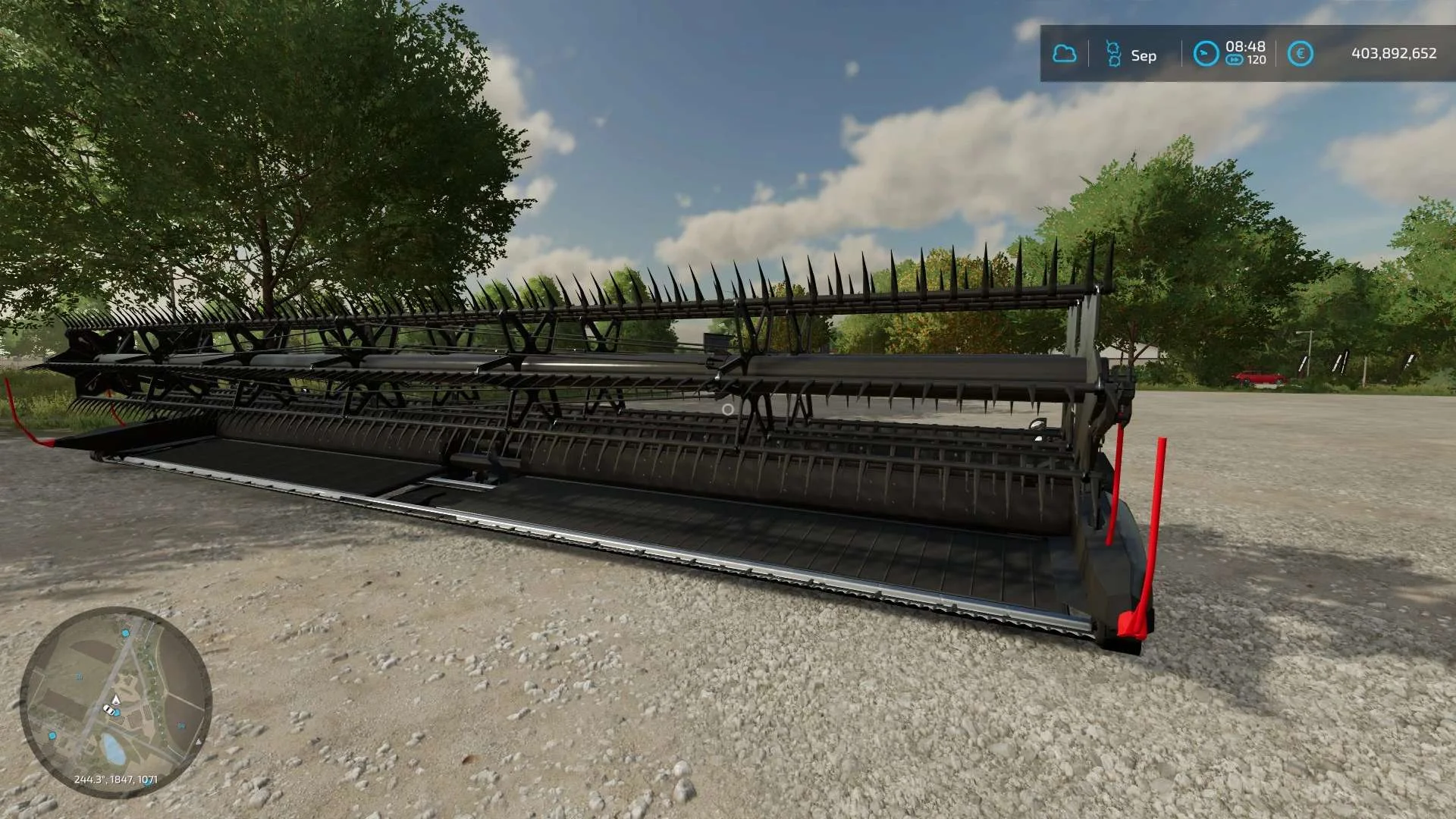
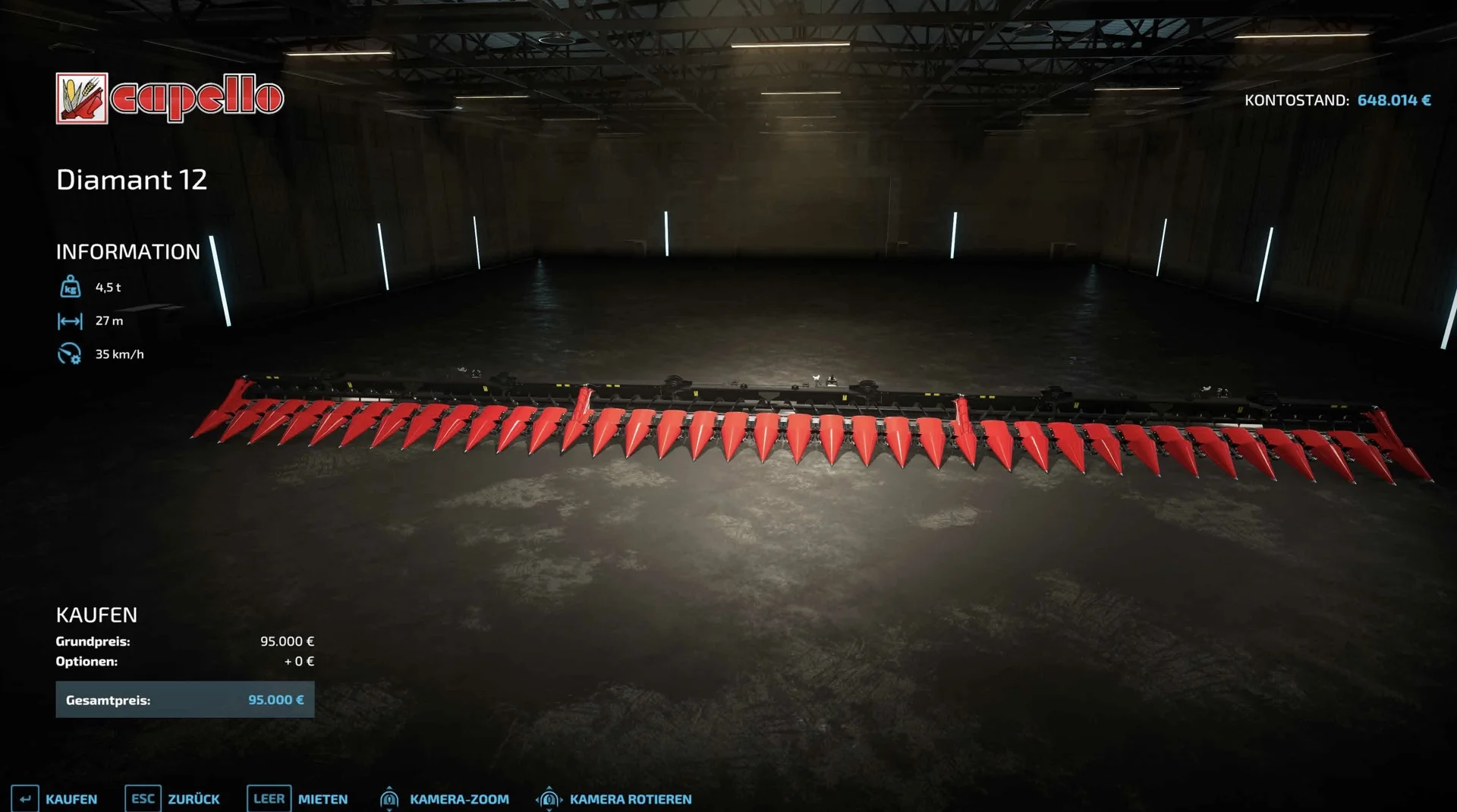
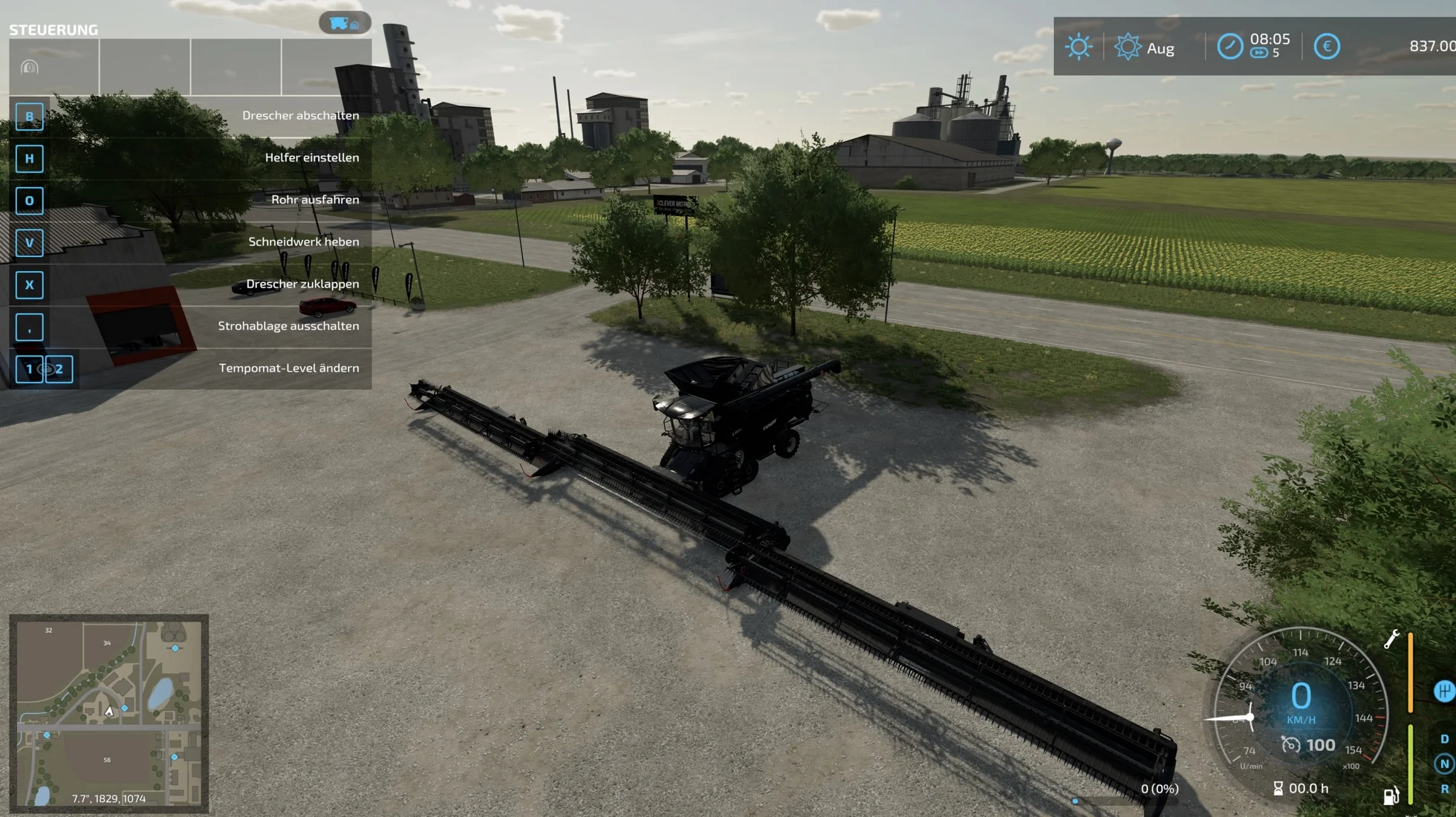
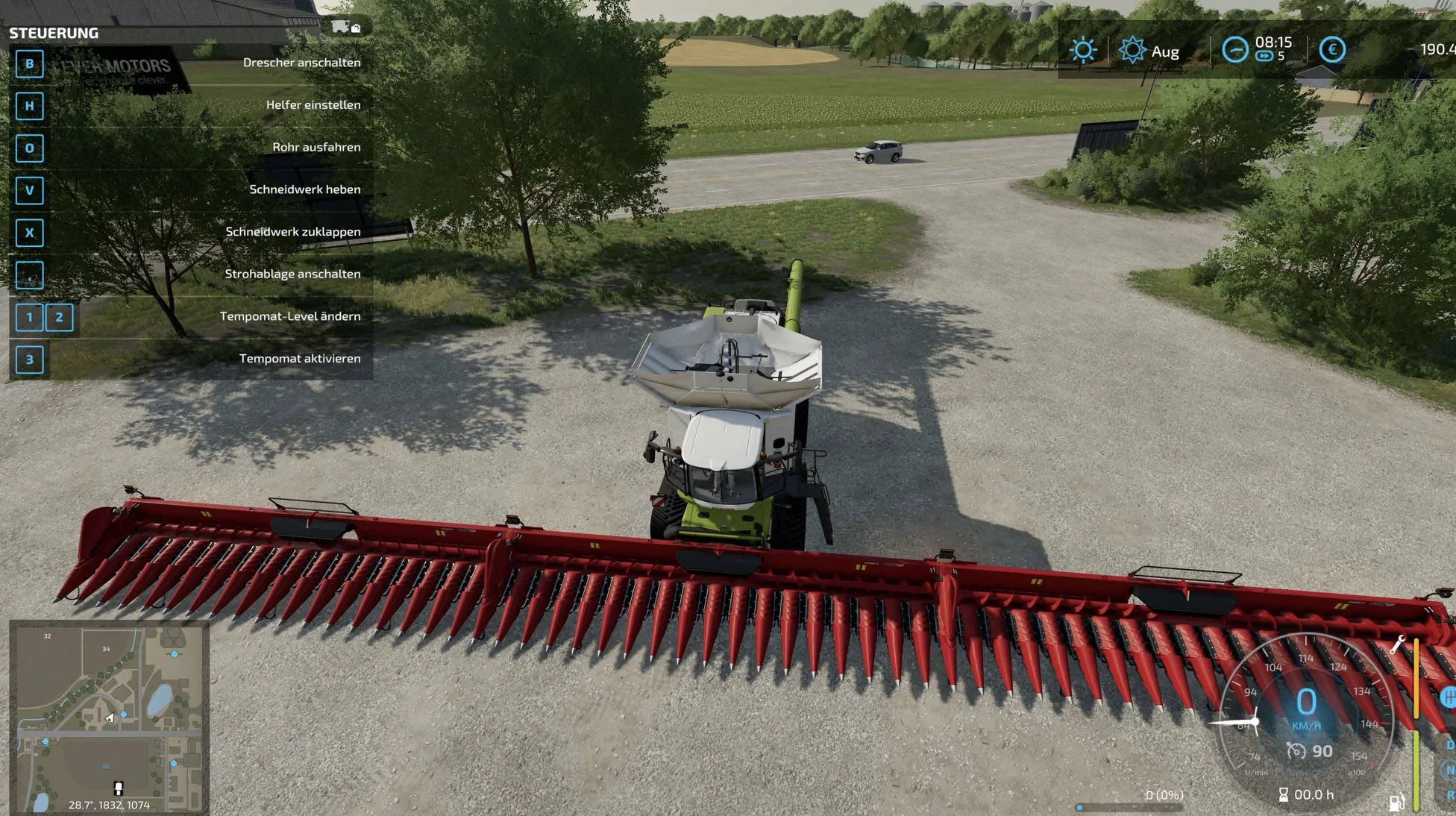
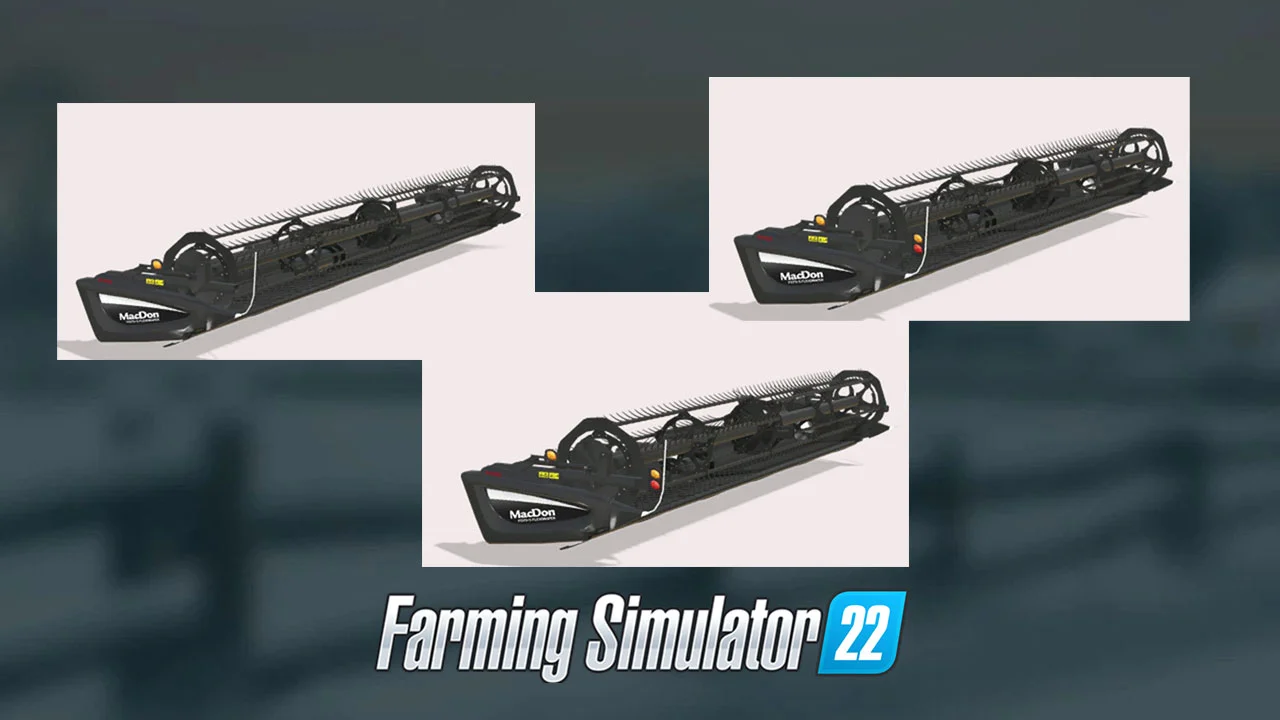
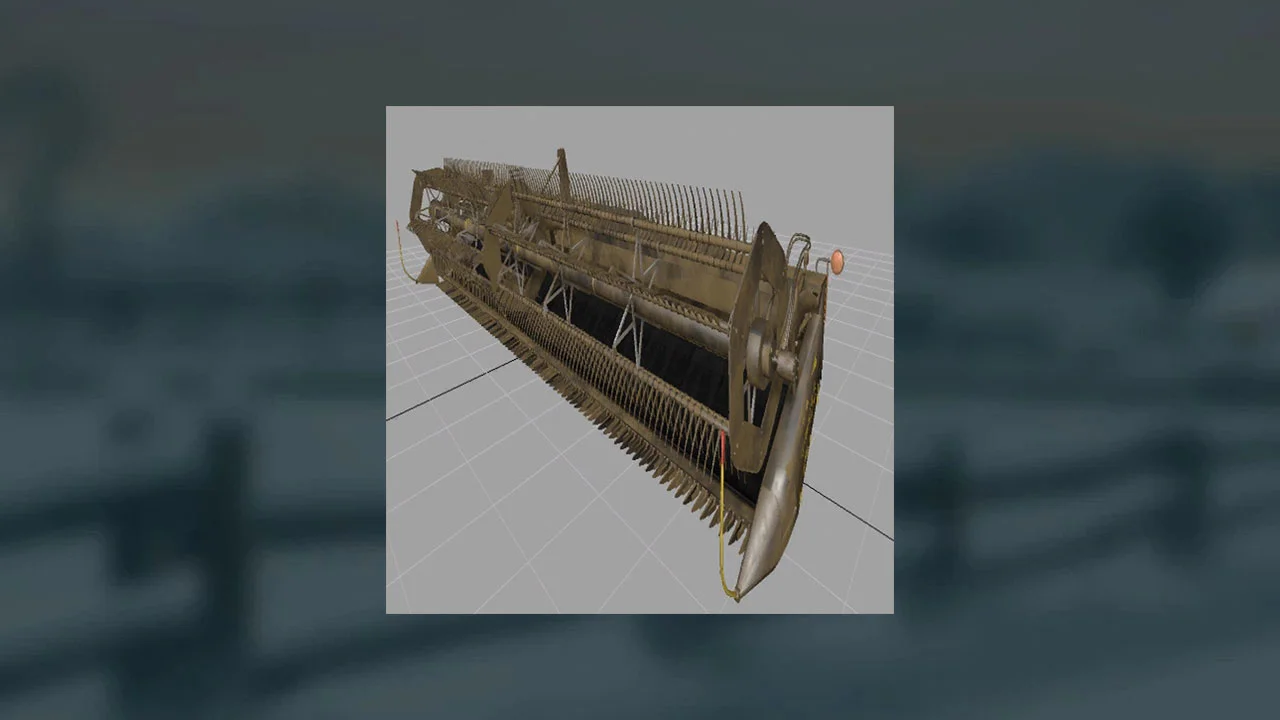
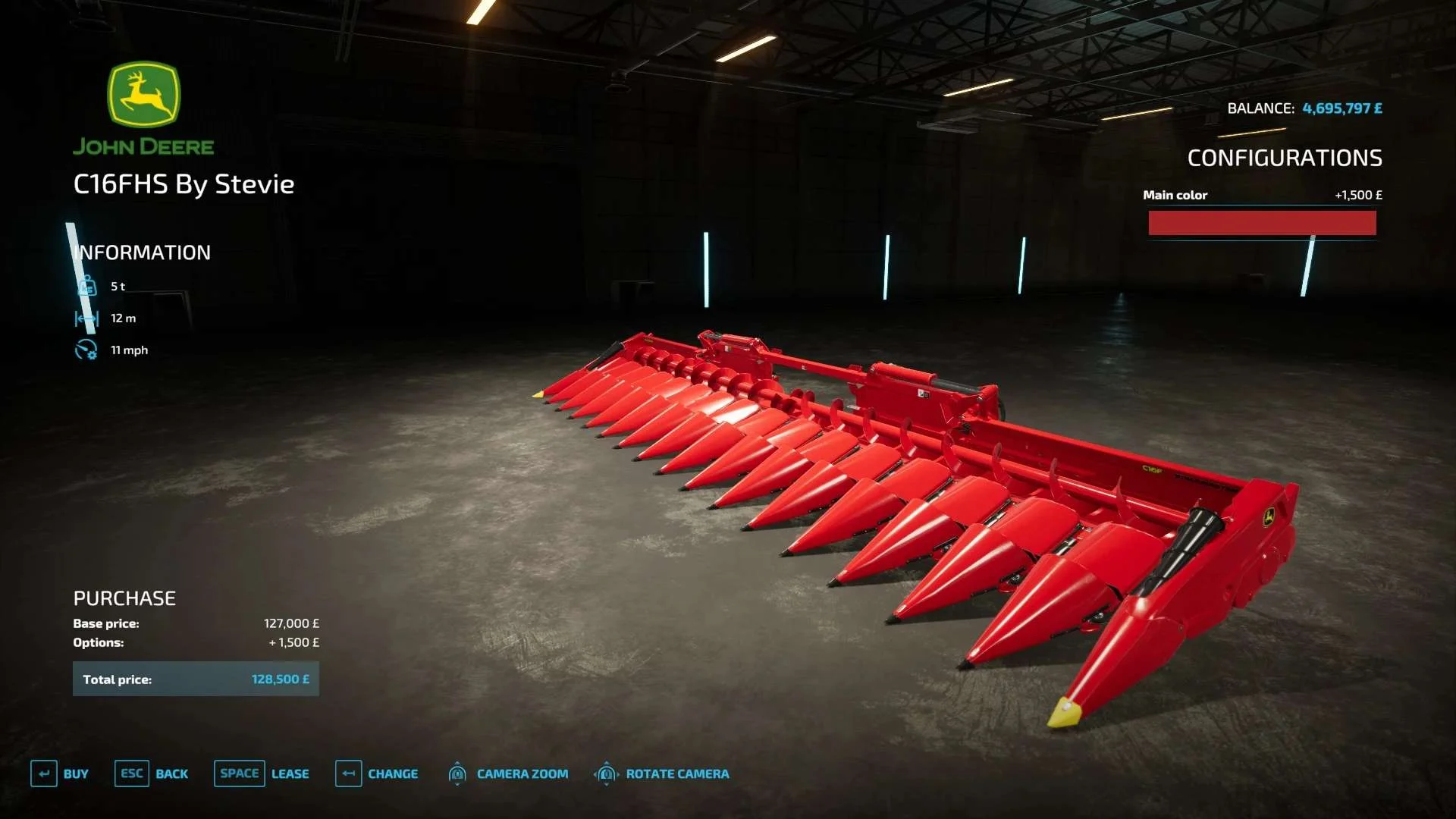
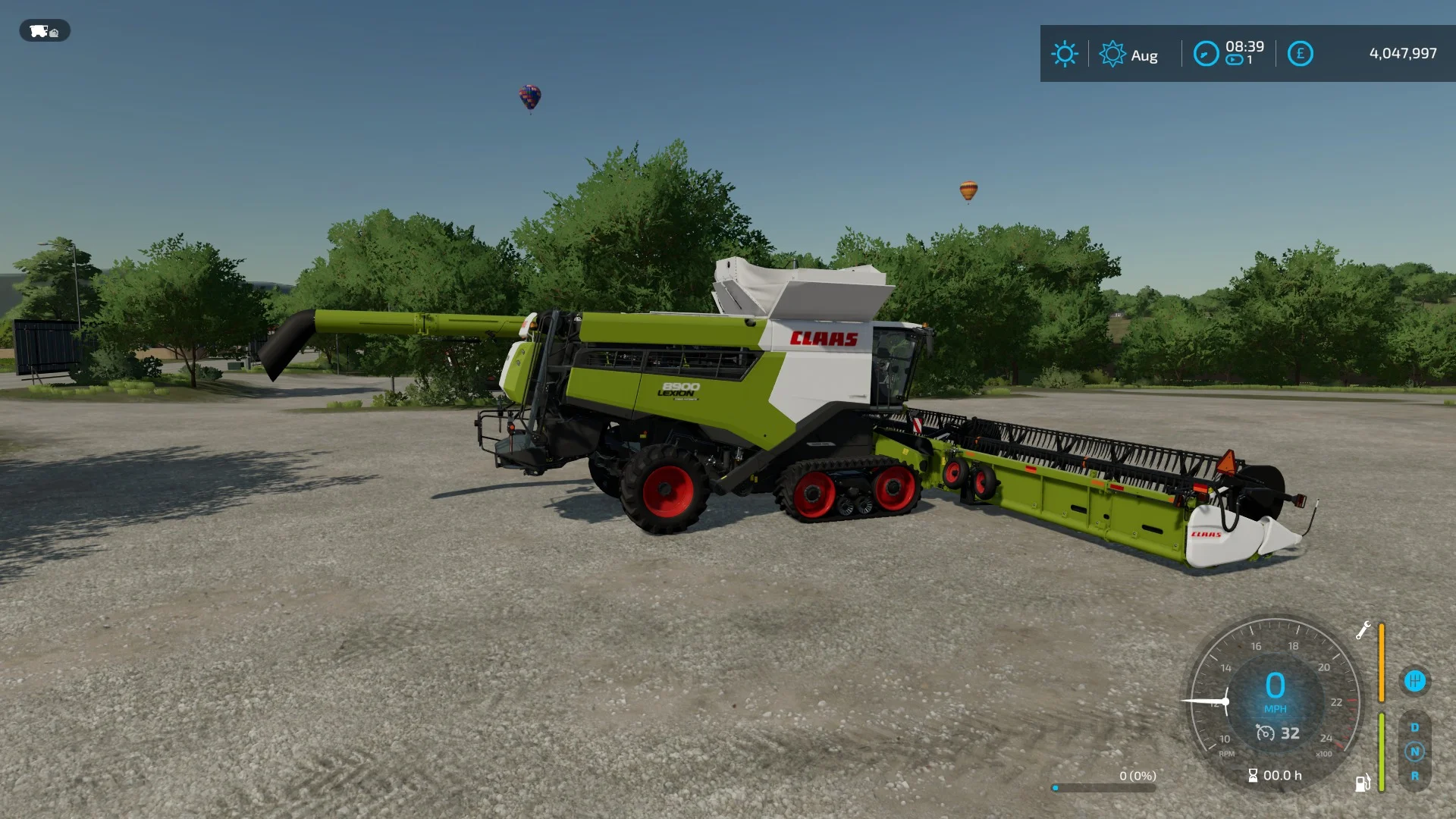
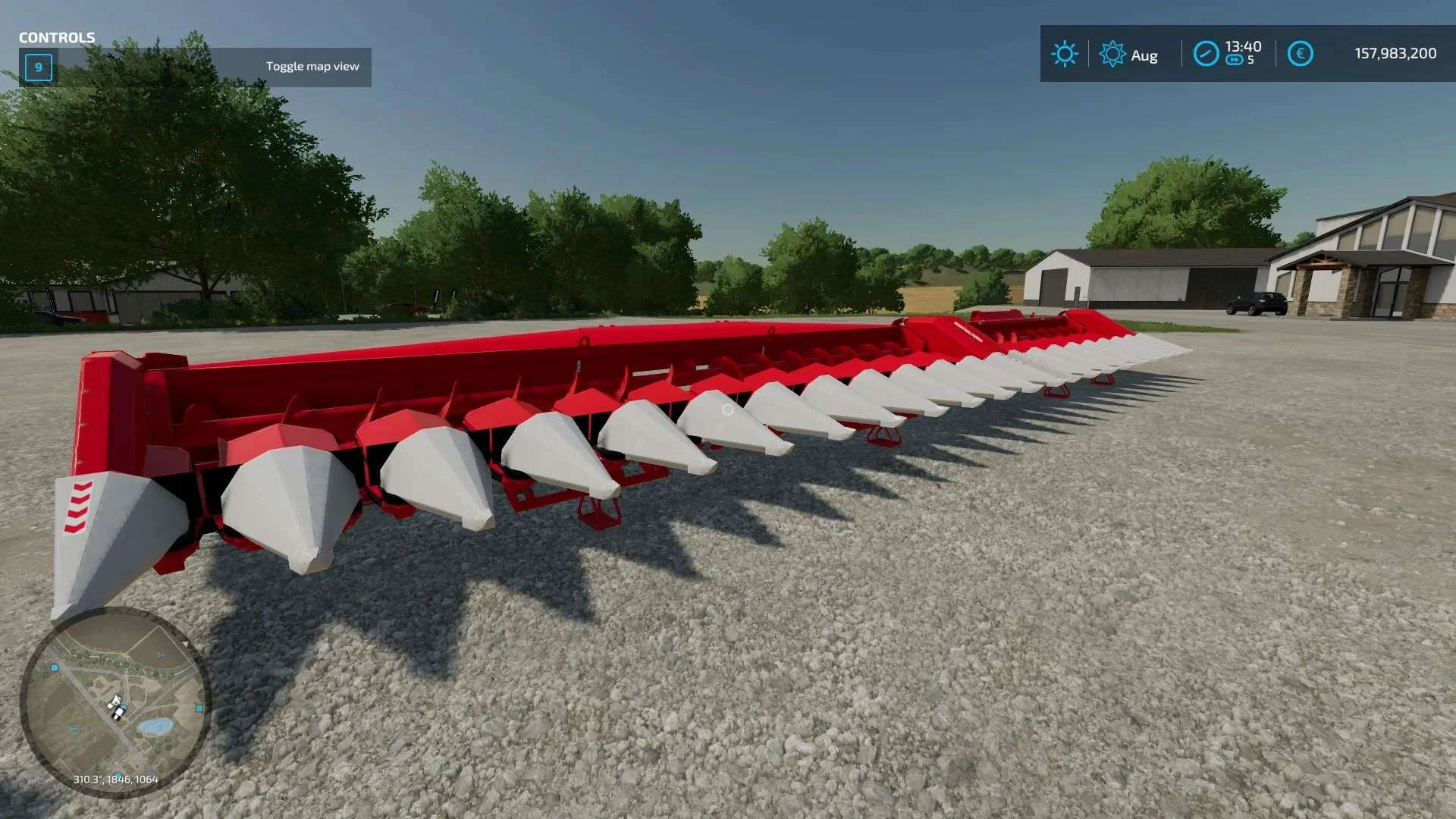
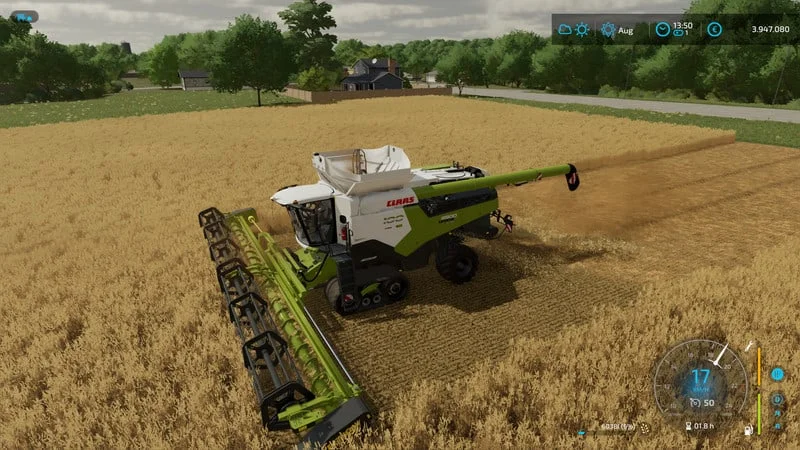
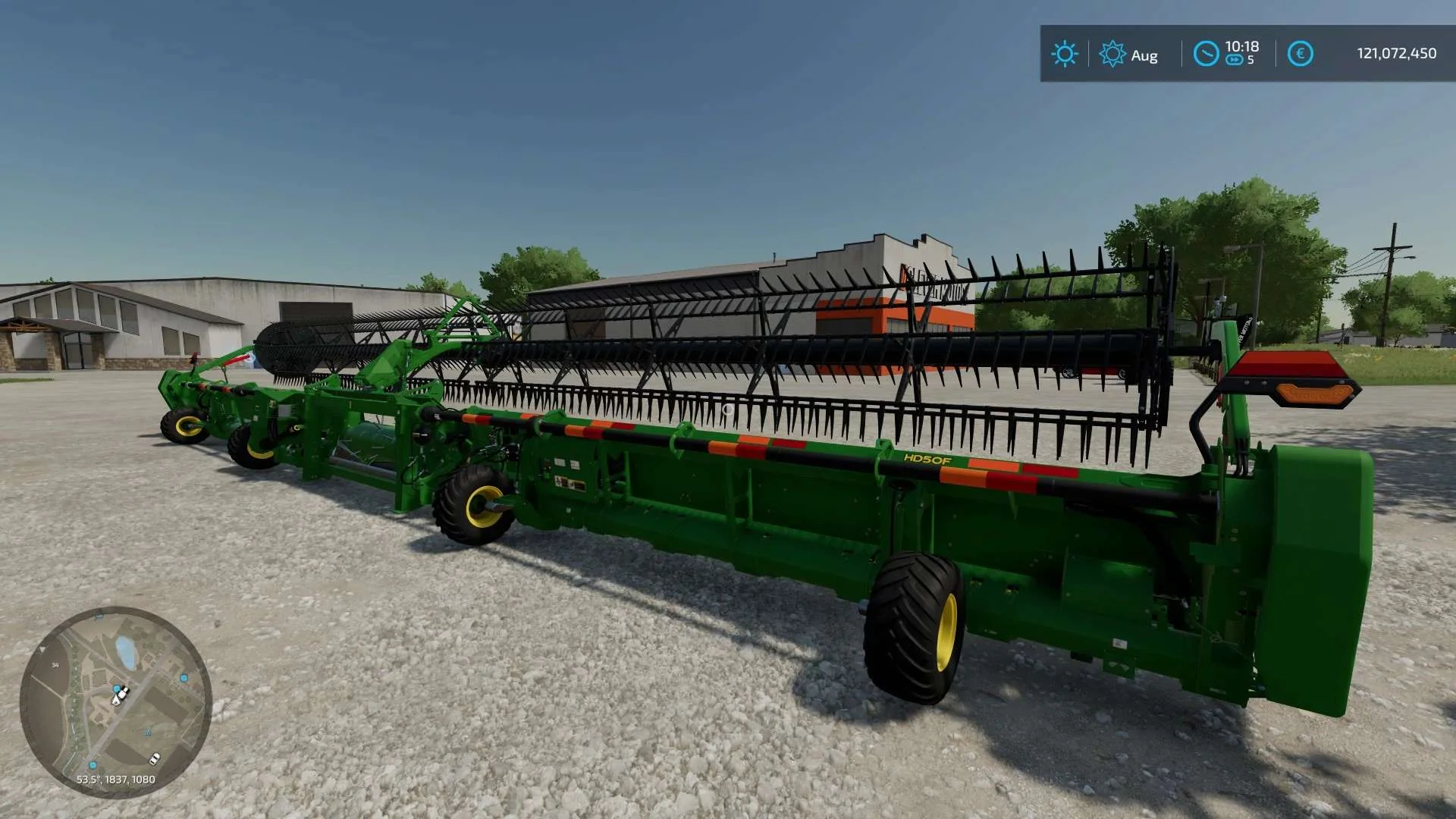
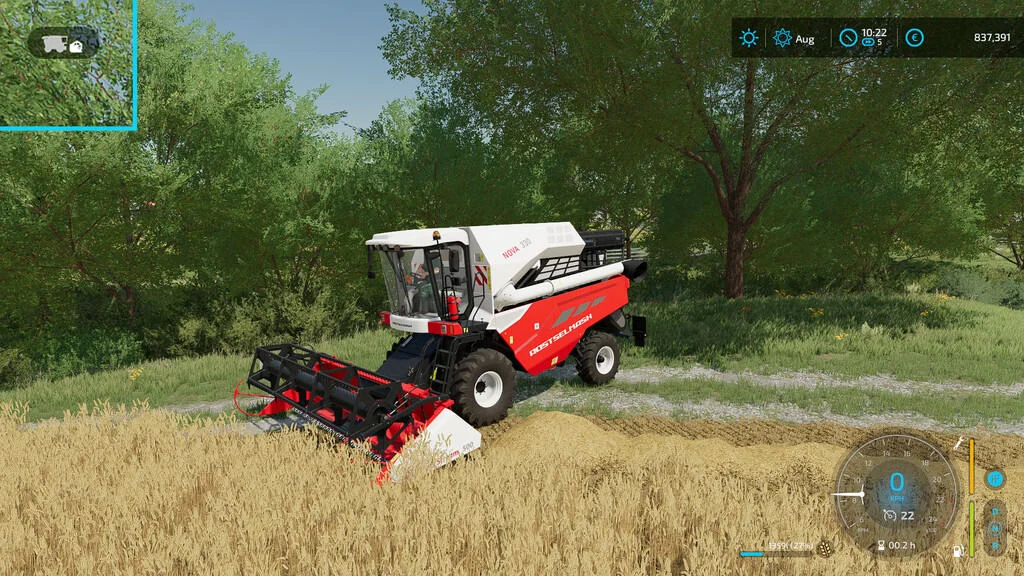
Let’s talk about harvested and headers you can add on them to work with different types of plants. Here are some of the main things we will be covering here: This category includes 10 harvesters – they are different in their power. Consequently, they will also different in how wide their headers are, as well as how fast they will move (although working speed doesn’t differentiate between models too much). Another important thing is how different the tanks (known as hoppers) are. This shows how much crops will fit in the tank before it has to be emptied somewhere. Harvesters are used for a variety of crops, such as barley, oats, rape seed, wheat, sunflower, maize, and soybeans. Most harvesters (barring some cheap entry options) have an option for connecting a loading trailer where crops could be emptied. The cheapest available harvester is FMT Bizon Super ZO56 for $84,000. It’s not a very super option though, as the grain tank is super small. Plus, headers from other models don’t work on it (which is a standard for other combines). You can connect TDK/HDK trailers though, which is a suitable option – but not enough for most. Going upwards the price chart, the options become much better, like the Massey Ferguson MF Active 7374S for $202.000. It has an excellent output, as well as the ability to connect 9m trailers, meant for much more premium models. This is a solid workhorse, maintaining its solid maximum speed at all times, barring any damage or elevation issues. The John Deere T560 and S790 combines are different from other solutions, as they can also get front axle tracks, leading to better maneuverability and mobility. A harvester needs an attachment to work with a specific type of crop. Called headers, and suitably found in the Headers section in the store, the main attachments will let you harvest rape seed, wheat, oat, barley, and soybean. There are also options for harvesting sunflower at a speed no higher than 15 km/h, and the Corn headers section will include options for harvesting corn and sunflower, but not at a speed higher than 10 km/h. Certain grain hedgers also come with a set of wheels and a drawbar for better transportation. A model too wide to use on the road will have to be transported with a dedicated trailer, found on the Trailers for harvesters/cutters section. A forage harvester can be used for three separate applications, depending on the type of header you attach to it. The main use – getting chopped straw. It can be converted into silage, pretty important for running a profitable operation. Chopped straw can be taken from barley, oats, wheat, rapeseed, and soybean, with the headers that cost $38,000. Corn chopped straw is by far the most profitable option. All headers can be used for this purpose as well, they’ll be at the end of the Forage Harvester Headers tab. These headers will collect the cut down crass, transferring it to a trailer. This is a more straightforward way than bales and forage wagons. The forage harvesters can also cut poplars and make wood chips. They can be sold at any sawmill. The three available models are different, depending on their power and the width of the headers they can use. There are no tanks of their own available, you’ll need to find an additional vehicle of your own for collecting the raw materials. Each of the forage harvesters has a pin that’s on the back of it, allowing you to attach a trailer of your choice. There are options for HDK/TDK as well as the massive special trailers that can be purchased from the Sugarcane Technology tab. Regular loading wagons won’t work for sugarcane. These are the available forage harvester headers. But before you go buying one, there are still some things to consider: Under the tab called Potato Technology, you’ll find this – the Grimme Varitron 470 Platinum Terra Trac. At $496,000, it’s an investment, meant for much larger fields and harvest than usual. But this machine is fully self-sufficient, and there is no need to attach a header or cut the potatoes before harvesting. The tank might seem massive at 9590l, but with the size and speed, it will fill up in no time. There are a few other potato harvesters, but they do require an additional tractor in the rear, and a potato cutter in the front. Compared to the expensive self-propelled option, they’re much slower and much less powerful. The available beet harvesting machines do not differ a lot from one another. Therefore, we recommend investing into the most expensive option only if you focus very heavily on beet harvesting. Pin-mounted HDK/TDK trailers can also be connected to the combine harvester. But it doesn’t matter all that much if you’re doing a large-scale operation. The beet harvester headers can be found on the Technology of beet growing tab. We do not advise to connect models from a more powerful harvester to a weaker model – they will consistently differ in width. Similar to potato harvesters, beet harvesters fill up very quickly